
Void Pulse Run uses space pressure, speed shifts, and sudden route changes as its main rhythm. Each stage rewards timing more than reckless movement. This article is written for arcade runners at JILIPH, to help them understand pulse routes, with the purpose of forming cleaner decisions.
Overview of the arcade route in Void Pulse Run
The game is built around fast movement through unstable space routes where timing matters more than blind speed. Each stage uses pressure, distance, and reaction windows to shape the flow of play. This gives the title a focused arcade identity that feels active without becoming noisy or difficult to read.
A clear route system helps Void Pulse Run stay understandable during repeated rounds. Players can follow glowing lanes, hazard warnings, and sudden space shifts without losing the main direction. The pace feels sharp because each decision connects to movement control rather than random screen effects.
The title also works through contrast between calm openings and tense route changes. Early moments may allow steady movement before the screen begins to close with stronger hazards. This structure keeps each run readable while still giving later stages enough pressure to test focus, judgment, and clean timing.
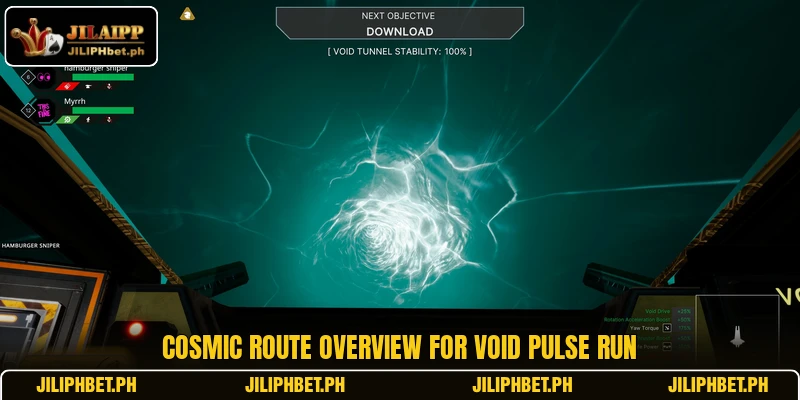
Exploring space depth in Void Pulse Run
Space design works best when danger feels close yet still readable through motion. Strong visual rhythm keeps each stage active without turning the route into clutter.
Dead black hole pressure inside Void Pulse Run
A dead black hole creates heavy pressure because nearby objects begin moving toward its center. The pull usually grows stronger as the runner passes closer to the dark core. Distance control becomes important since a late turn may leave too little room for safe recovery.
The danger feels serious because the black hole does not need direct contact at first. Its outer pull can bend movement and push the runner away from a planned route. This makes the hazard useful for testing patience since panic often causes sharper mistakes than the pull itself.
Good stage design keeps the black hole visible before it becomes a full threat. A clear glow around the edge helps mark the danger zone without covering other objects. When timing feels fair the hazard becomes a spatial puzzle rather than a sudden punishment.
Magnetic vortex slowing flight speed
A magnetic vortex changes the pace by reducing flight speed near its active field. In Void Pulse Run, this effect can make a simple lane feel heavier than expected during quick transitions. The runner must judge whether to pass through the field or curve around it early.
Slowdown zones are useful because they break the habit of constant forward pressure. A fast path may look safe until the vortex turns it into a narrow timing test. This creates a strong contrast between open movement and trapped motion inside the same space layer.
View more: Arc Storm Escape – Storm Route Survival And Hazard Guide
The best response is usually calm steering with small direction changes. Large corrections can waste the limited speed left after entering the field. When the route is read early the vortex becomes a manageable brake instead of a complete loss of control.
Falling meteor impact with heavy damage
Falling meteors add vertical danger because they enter the screen with direct force. Their impact zones can close open routes in a short moment. A stage becomes harder when several meteors fall with different timing across the same flight path.
In Void Pulse Run, meteor damage should feel heavy enough to demand respect. The warning trail matters because players need time to decide whether to shift route or hold position. Without that signal the hazard may feel unfair rather than challenging.
Meteor patterns work well when they create temporary pressure instead of permanent blockage. A clear gap after impact lets the runner recover and rebuild the route. This keeps the stage moving while still making every falling object feel important.
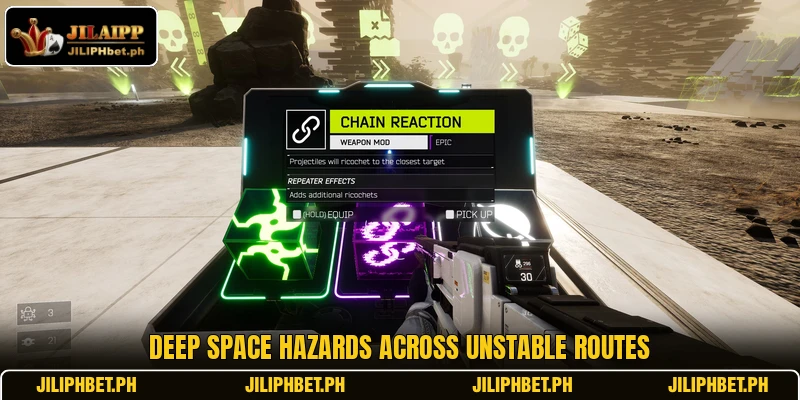
Precise space gate teleportation
A space gate gives instant movement when the runner enters its active frame. The mechanic can save a route from collapse if the entry line is clean. Poor timing may send the runner into a tighter area before the screen feels ready.
The gate should feel precise because teleportation changes position faster than normal steering. In Void Pulse Run, this feature becomes valuable when hazards gather near one side of the stage. A well placed gate can turn pressure into a fresh path with better spacing.
Good gate use depends on trust in direction and exit timing. The entry point must be clear while the exit side needs enough room for the next move. When both points feel readable the gate adds strategy without making movement feel automatic.
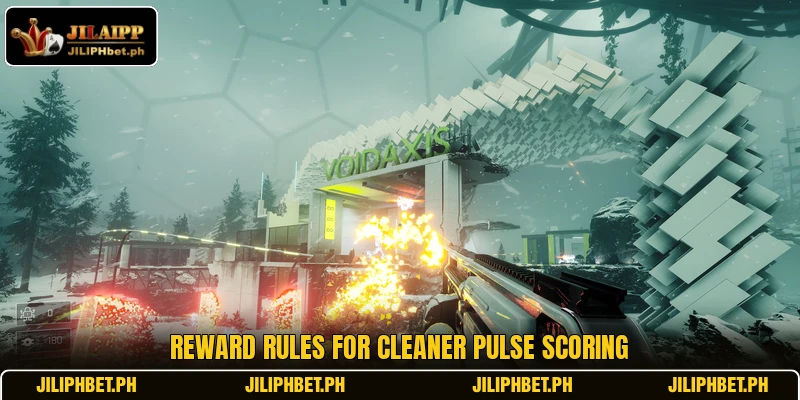
Reward scoring rules in Void Pulse Run
Scoring should feel clear from the first route segment to the final result screen. Void Pulse Run can use distance, hazard control, chain timing, and damage records to build a fair reward structure. Each rule needs a visible number so the final score feels easy to review after every run.
- Base distance: every 100 meters adds 50 points when the run continues without a direct collision.
- Clean dodge: passing a major hazard within a safe edge can add 30 points after successful recovery.
- Pulse chain: three accurate route shifts within 8 seconds can raise the chain level by 1 step.
- Gate timing: entering a space gate at the correct angle can add 75 points after a safe exit.
- Meteor survival: avoiding three falling meteors in a single section can award 120 bonus points.
- Damage penalty: one heavy impact can remove 15 percent from the current chain score total.
- Final review: the result screen should show distance, chain level, hazard bonus, damage loss, and total score.
- Thêm 1 ý này vào cuối danh sách:
- Recovery bonus: restoring control within 5 seconds after a slowdown zone can add 40 points when no damage occurs.
View more Category: Arcade
Conclusion
Void Pulse Run works best when speed, space hazards, and scoring rules feel connected. Its main appeal comes from reading pressure before the route becomes unsafe. JILIPH can suit players who prefer measured arcade pacing, with gentle luck wished for each run.