Arcade JILIPH – Sharp Game Rooms With Clean Action Flow Today
Arcade pages work best when speed, rules, plus screen signals stay easy to read. A steady category layout keeps each game type separate without turning the page into noise. This article is written for players studying JILIPH, to help them understand room logic, aimed at clearer game selection.
Overview of the arcade section at JILIPH
A clear category overview starts with game rhythm, screen layout, plus rule visibility for browsing decisions. The arcade area should feel direct because short rounds depend on fast reading rather than long setup. When names, icons, plus room notes stay consistent, titles become easier to compare before any session.
- Game identity: Each title should show its theme, round style, plus main action point before a user enters the room.
- Room order: A tidy lobby places similar titles near one another so scanning feels steady during busy browsing periods.
- Rule preview: Short notes beside each entry can reduce confusion when speed, targets, or win checks differ across titles.
- Visual signal: Icons, motion cues, plus color contrast should support quick recognition without making the screen feel crowded.

Accurate operating logic in the arcade section at JILIPH
Operating logic matters because short games can become unclear when signals change too quickly during active screen movement. A clean arcade structure should connect entry rules, score checks, plus result timing into one readable route. Stable handling also helps every title keep its own pace without breaking the wider category flow.
- Entry check: The room should confirm basic access status before loading so interrupted starts do not create confusing records.
- Round trigger: A clear start signal helps users read when action begins, especially in titles built around instant response.
- Score path: Points, hits, or survival marks should appear in a stable place so progress remains visible during movement.

Featured game types in the arcade category
Game grouping becomes stronger when each title carries a distinct rhythm inside the same section. A focused category can hold varied themes while keeping the browsing path calm.
Arc Storm Escape
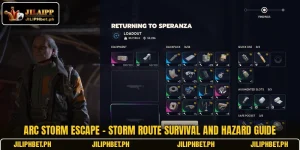
Arc Storm Escape builds tension through moving hazards, sudden lanes, plus short decision windows. The arcade style fits this format because each round can test reaction without demanding a long learning curve under pressure. Clear warning patterns matter here, since a late signal can make escape routes feel unfair during faster stages in tight moments.
Stage design should show danger before it reaches the main path, so movement feels readable rather than random. A good escape round gives enough space for correction while still keeping pressure present. When camera angle, obstacle size, plus route markers stay stable, the player can judge risk with less hesitation during sudden turns.
Result feedback should explain why a run ended, especially when storms overlap near the final section. Simple failure notes help separate missed timing from blocked movement or wrong lane choice. That detail keeps repeated attempts useful because the next round starts with a clearer lesson from the last mistake with better control again.
View more: Lottery JILIPH – Sharp Number Draws For Cleaner Result Reading
Crystal arcade mission
Crystal mission design can use collection goals to create a calmer rhythm than pure chase formats. The main appeal comes from route planning, crystal order, plus safe timing between moving barriers. A strong mission board should make every target visible early, so each round feels planned instead of accidental during each short attempt.
Reward markers should remain simple because too many symbols can weaken the collection path. Clear value tiers help players read which crystal matters most during a tight route. When bonus items appear, their timing should match the mission pace rather than forcing rushed turns across the screen near the end of a stage.
Difficulty should rise through smarter placement, not sudden visual clutter that hides the next move. Later rounds can add locked paths, moving gates, or limited return points to test planning. The best structure keeps the mission readable while still making route choice feel meaningful from start to finish through every later route choice.
Neon Shadow Break
Neon Shadow Break depends on contrast, quick target reading, plus controlled bursts of movement. A strong arcade title in this style should make shadows easy to track without flattening the neon mood. When hit zones stand apart from background effects, the action feels sharper during fast exchanges when the screen becomes very crowded.
Break mechanics need a clear rule for timing because visual effects can hide the exact impact moment. A visible meter or short pulse can show when a strike becomes valid. This prevents the round from feeling like guesswork, especially when enemies move through bright trails or sudden screen flashes during the hardest moments.
Pacing should alternate between pressure and small recovery windows to keep focus from dropping. Constant speed can feel tiring when every screen uses the same chase pattern. A better flow changes distance, target angle, plus reaction space so each stage has its own shape without becoming hard to read across repeated short runs.

Iron Pixel Arena
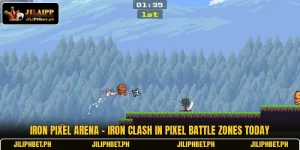
Iron Pixel Arena suits players who prefer direct contact, compact maps, plus old style visual blocks. The arcade format works well when combat rules stay short, while each arena adds a different spacing problem. Sharp collision lines matter because pixel art can look simple yet still hide important hit edges during close fights.
Enemy patterns should be distinct, so each wave teaches a different response instead of repeating pressure. A shield unit, rushing unit, plus ranged unit can create movement choices without heavy explanation. When spawn points stay visible, the arena feels controlled even during crowded moments near the center when the final area gets crowded.
Progression can rely on arena layout changes rather than adding too many controls. Narrow lanes, raised corners, or temporary barriers can shift the same rule set into a new problem. This keeps the design economical while giving each round a clear reason to feel different from the one before it during later attempts.
Conclusion
A strong arcade section depends on clean rules, steady signals, plus game groups that feel easy to separate. JILIPH should be viewed through this structure rather than broad promotion, since short games need practical reading first. Create an account only when the category flow feels clear.