
Arc Storm Escape turns storm survival into a tense route test. Each screen asks for quick reading before danger locks the path. This article is written for JILIPH players, to help them understand storm escape rules, for safer timing in every run.
Obstacles in Arc Storm Escape
Storm danger works best when every threat feels readable before it becomes severe. Clear obstacle design helps each route feel tense without turning movement into random failure.
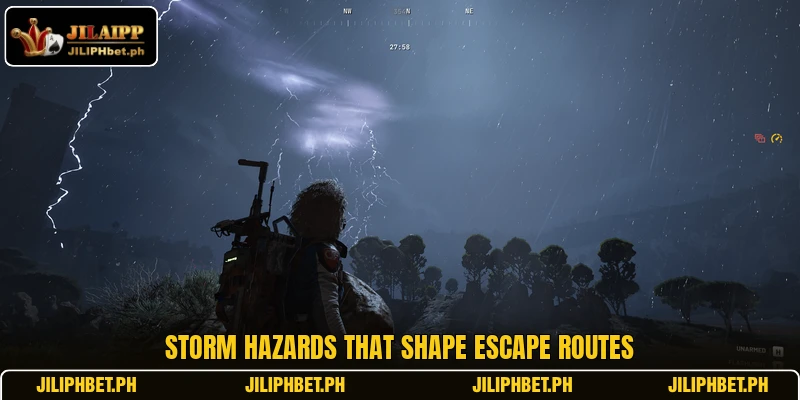
Giant lightning columns striking from above
Giant lightning columns create pressure through sudden vertical strikes that punish slow route reading. Their warning zone often appears for a brief moment before the impact lands. A safe response depends on noticing the floor signal early then moving with calm control rather than rushing blindly.
The main challenge in Arc Storm Escape comes from how lightning columns divide the route into narrow choices. A player may see two open lanes but only one stays safe after the strike pattern finishes. This design rewards clean observation since panic can turn a safe lane into a direct hit.
Good lightning placement also changes the rhythm of movement during longer runs. A column near a corner can force early turning while another strike blocks a simple retreat. The route then feels like a timing puzzle where safe space matters as much as speed.
Energy tornadoes in Arc Storm Escape
Energy tornadoes build danger through movement that feels wide, heavy, plus hard to ignore. They can pull objects across the screen while shifting the safe lane every few seconds. This obstacle works best when its spin pattern stays visible enough for a careful reaction.
A tornado should not feel like a wall that ends the run without warning. Its pull range needs clear edge spacing so the player can judge when to cross. When that spacing feels fair, the route becomes tense because escape depends on timing rather than pure luck.
Long tornado sections also test route discipline after earlier storm pressure. A player who moves too early may get dragged back into the danger zone. Waiting too long can close the final gap, so the best choice often sits between patience and sharp movement.
Dense fog clouds blocking full vision
Dense fog creates a different kind of pressure because the threat begins with lost information. The strongest use of Arc Storm Escape fog is not total confusion but limited sight with fair signals. Players still need enough visual hints to judge motion before danger reaches the route.
View more: Crystal Arcade Mission – The Shining Route To Arcade Wins
Fog sections can slow the pace after intense lightning or tornado patterns. That slower pace gives the route a tense silence while hidden danger builds near the edge. A soft sound cue or shadow marker can help keep the section fair without removing the mystery.
Good fog design also affects memory because players must recall safe positions after vision drops. A familiar lane may become risky once the screen loses detail. This obstacle pushes careful route tracking, so every earlier movement decision can matter later.
Electric sparks blocking player progress
Electric sparks work as short barriers that interrupt simple forward movement. They often appear across narrow paths where a direct run would be too easy. A clean spark pattern should flash before contact, giving the player a fair moment to pause or change direction.
The role of sparks in Arc Storm Escape is to break careless movement during fast sections. A spark line can close a lane for two seconds then vanish before another hazard arrives. This short timing window makes small decisions feel important across the full escape route.
Sparks also support stronger pacing when placed between larger storm threats. They can force a brief stop before a lightning column or fog zone begins. That pause changes the route rhythm, making the player think about position instead of holding one direction without review.
Safe escape timing rules in Arc Storm Escape
Safe timing gives storm routes a structure that players can read during pressure. In Arc Storm Escape, each rule should connect movement decisions with visible time limits. Clear numbers help every route feel measured while keeping the escape pace sharp.
- Start window: the first safe movement window should last 5 seconds, giving enough time to read the route before major hazards activate.
- Warning delay: each heavy hazard should show a 1.5 second signal, so reaction depends on awareness rather than sudden punishment.
- Checkpoint limit: a storm checkpoint can require arrival within 40 seconds, keeping progress strict without making routes feel rushed.
- Recovery time: after a minor hit, the route may allow 3 seconds of reduced pressure before full storm speed returns.
- Final escape gate: the last gate should stay open for 7 seconds, creating a tense finish while still rewarding prepared movement.
Support item system in Arc Storm Escape
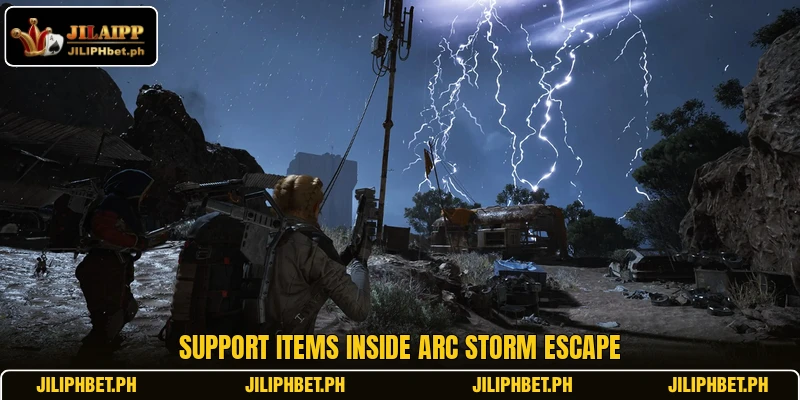
Support items should improve control without removing the weight of storm danger. In Arc Storm Escape, each item works best when it solves a specific route problem. Balanced item design keeps survival focused on judgment rather than repeated rescue effects.
- Storm shield: this item can block one electric impact, making it useful when sparks close a narrow path during late movement.
- Clear lens: the lens can reduce fog opacity for 6 seconds, helping players read hidden edges without fully removing the hazard.
- Pulse boots: a short speed boost can last 4 seconds, but it should demand careful steering near lightning strike zones.
- Anchor core: this item can reduce tornado pull by 50 percent, creating more control during wide spinning sections.
- Time shard: the shard can add 5 seconds to the escape clock, giving limited relief without changing the full route challenge.
View more Category: Arcade
Conclusion
Arc Storm Escape works best when storm hazards, support items, plus timing rules feel clear together. A fair route rewards calm reading more than reckless speed. JILIPH players can approach each run with steady focus, then create an account when ready.